


Clinic · Children & Adolescents · 1070 Vienna
Invisalign® for Children in Vienna: The Nearly Invisible Braces
Even during the mixed dentition phase, misaligned teeth can be treated with nearly clear aligners instead of fixed braces. The Invisalign® First System can be used for this purpose. The aligners can be easily removed for eating and brushing teeth.
Would you like to know if aligners are right for your child? Call us at 01 / 524 48 68 or email us at praxis@jonke.at to schedule an initial consultation.
★ For mixed dentition (Invisalign® Kids)
★ Removable
★ No metal, no wires
★ Digital 3D Planning
★ 5.0 DocFinder

★ 4.3 Google | ★ 5.0 DocFinder | ★ 4.98 Doctify
1,000+ Families · 457 Reviews
Your Benefits
Why Aligners for Kids?
Almost invisible
Thin, form-fitting, and barely noticeable during the school day.
Removable
Easy to remove for eating, drinking, and brushing your teeth.
Gently
No metal, no wires, hardly any pressure marks.
For Growing Teeth
Invisalign® Kids is designed specifically for mixed dentition.
Process
Here's How Aligner Treatment Works for Children
Initial Consultation & Scan
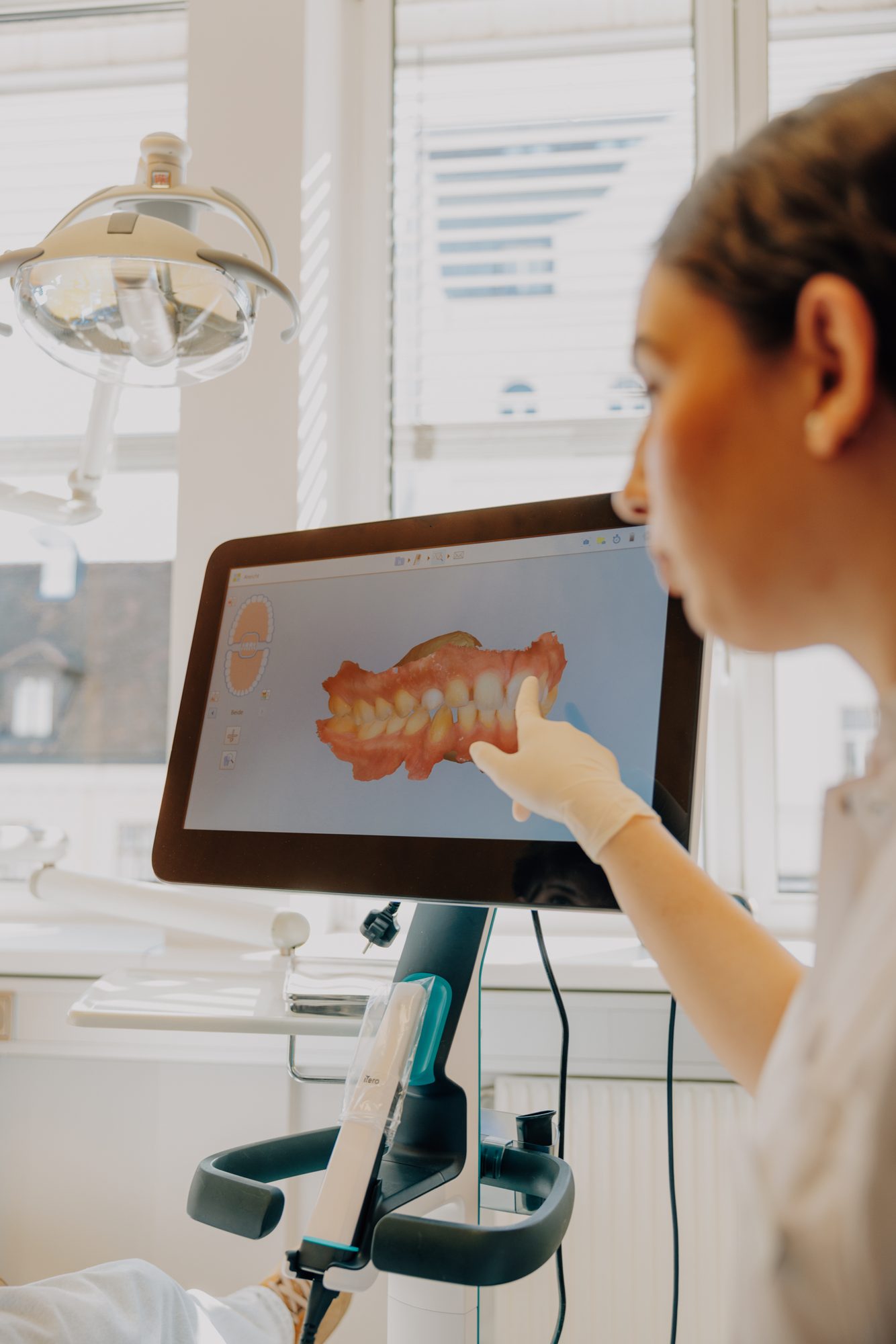
We’ll assess whether your child is a good candidate for aligner treatment and perform a digital scan of their teeth.
3D Design
Professor Jonke digitally plans the intended tooth movements and shows you the desired treatment outcome.
Carry rails
New aligners arrive every one to two weeks. They are worn for about 20 to 22 hours a day and are removed only for eating and brushing teeth.
Inspections
During follow-up appointments, we check your progress and provide you with the next set of splints.
For parents
Aligners or fixed braces for children?
Aligners are discreet and comfortable, but they require discipline: They’re only effective if your child wears them consistently—that is, 20 to 22 hours a day. Fixed braces, on the other hand, work around the clock without any effort on your part. We’ll help you determine what’s right for your child.
Additional Services
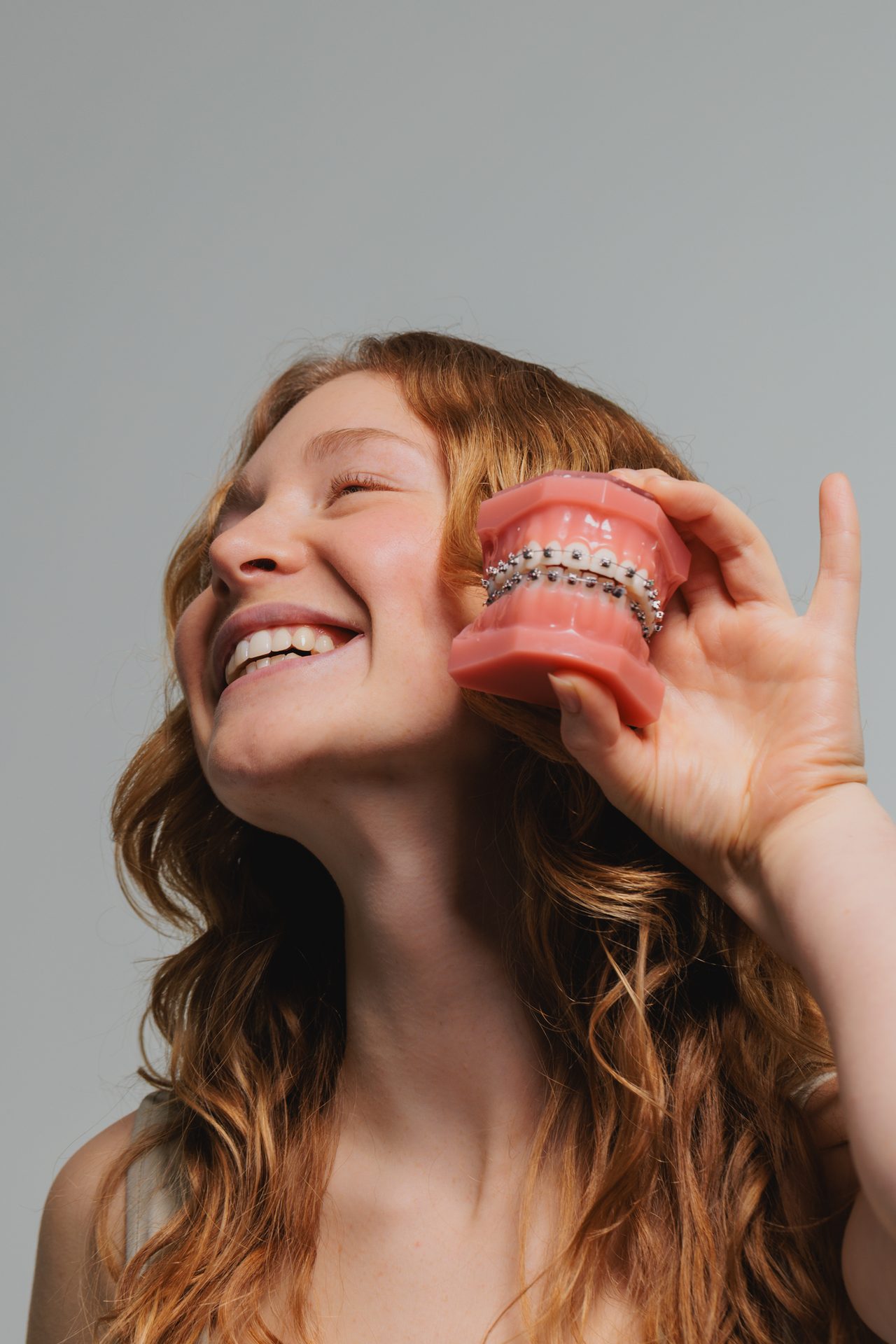
More for Children & Teens


Appointment Booking
Book Appointment Directly
Simply choose a date and time. Free initial consultation for your child.
Frequently Asked Questions
Questions from parents
At what age can children start using aligners?
Usually starting with the mixed dentition phase, that is, between the ages of 6 and 12–14. During this phase, both the baby teeth and the first permanent teeth are present in the mouth at the same time. Whether aligners are suitable in a specific case depends on the individual findings. We’ll assess this during the initial consultation.
What is the mixed dentition stage?
The mixed dentition phase refers to the period of tooth replacement during which both baby teeth and permanent teeth are present in the mouth at the same time. It typically begins around age 6 with the eruption of the first permanent teeth and is usually complete by ages 12 to 14.
Are aligners free for children?
No, aligners for children are a private service and are not included in the free braces program. However, insurance coverage is available for the following: for younger children in the mixed dentition phase, a removable aligner as early intervention (for malocclusions classified as IOTN Level 4 or 5); and, starting around age 12, fixed braces with silver brackets. We’ll determine whether this applies to your child during the initial consultation. For aligner treatment, you’ll of course receive a clear cost estimate in advance.
How long does aligner treatment take for children?
It’s not possible to say in advance exactly how long the treatment will take, as it depends on your child’s malocclusion. Initial results are often visible after just a few months, but the entire treatment may extend over a longer period of time. You’ll receive a realistic estimate for your child after the initial consultation and the digital scan.
Is Invisalign® First enough on its own?
Not always: Invisalign® First can be the first step in treatment during the mixed dentition phase. Depending on your child’s development and the findings of the examination, further treatment may follow later, such as with fixed braces. We’ll assess what’s best for your child as treatment progresses.
What happens after aligner treatment?
Once the teeth are in the desired position, a retainer—usually worn at night—helps maintain the results. This prevents the teeth from shifting back. We’ll discuss how long this is necessary on a case-by-case basis.
Does aligner treatment hurt?
After a new splint is fitted, you may experience a slight feeling of pressure for one to two days. If you experience severe or persistent pain, please contact us so we can check the fit of the splint.
Can you see the splint or the brackets in the mouth?
The aligners themselves are transparent and are barely noticeable in everyday life. For certain tooth movements, small, tooth-colored brackets (called “attachments”) are bonded to the teeth. These, too, are discreet and hardly noticeable from a normal distance.
What if my child forgets to wear their aligner one day?
Forgetting to wear them once is no cause for concern. The key to success is wearing the aligners consistently for 20 to 22 hours a day throughout the entire course of treatment—only then can they be effective. If, on the other hand, you repeatedly fail to meet the recommended wear time, your treatment progress will be delayed. If you’re unsure, just bring it up with us at your next checkup.
What if an aligner tray gets lost or breaks?
In this case, please contact us as soon as possible—so we can work together to determine the next steps. Depending on your treatment progress, you’ll either temporarily wear your previous aligner or move on to the next one to ensure the results you’ve achieved are maintained. If necessary, a replacement aligner will be made. Above all, it’s important not to go several days without wearing an aligner at all, as your teeth may otherwise shift back. Just get in touch with us. We’ll review the next steps and arrange for a replacement. We’ll determine on a case-by-case basis whether any costs will be incurred.
Can my child eat and drink while wearing aligners?
Remove the splint before eating. Drink only water while the splint is in place.
How do I clean the aligners?
Use lukewarm water and a soft brush. Do not use hot water, or they will warp.
How much does aligner treatment cost for children?
There is no one-size-fits-all answer here: The costs depend on the specific treatment requirements for your child, such as the number of aligners needed and the duration of treatment. After the initial consultation and digital analysis, we’ll provide you with a clear, binding cost estimate—even before you make a decision.
Worth Knowing
Useful Information for Parents
Everything you need to know about braces for children and teens—explained in simple terms.
Content
What is Invisalign® First?
Invisalign® First is Invisalign®’s aligner system for early treatment during the mixed dentition phase. It can correct existing misalignments and create space for erupting permanent teeth as part of the treatment plan. The aligners are replaced according to the individual treatment plan, moving the teeth in small increments.
How much does Invisalign® cost for children, and does health insurance cover it?
To be honest: Aligners for children are generally a private service and are not covered by the free braces program. After the analysis, you will receive a clear cost estimate for the aligner treatment.
What age group is Invisalign® First suitable for?
Usually starting when the child begins to get their permanent teeth, often between the ages of six and ten. Whether aligners are appropriate in a specific case depends on the child’s age, the nature of the misalignment, and the child’s cooperation. We’ll discuss this together during the initial consultation.
Invisalign® First offers tangible benefits for children in the mixed dentition stage: The aligners are nearly transparent and hardly noticeable in everyday life; they can be easily removed for eating, drinking, and brushing teeth; and they don’t require any metal or wires.
Aligners in Everyday Life: Wearing, Eating, and Care
Since the aligners are removable, there are no restrictions on eating. When wearing the aligners, your child should drink only water. Clean the aligners with lukewarm water and a soft brush—do not use hot water, as this will cause them to warp.
Is Invisalign® Kids right for your child?
Schedule an appointment for an initial consultation. We’ll determine whether aligners are right for your child and discuss the alternatives with you.
Location & Directions: Clinic in 1070 Vienna (U3 Neubaugasse)
You’ll find us right next to the Neubaugasse U3 station (Stiftgasse exit). We’re open Monday through Friday from 8:00 a.m. to 6:00 p.m.
Univ.-Prof. DDr. Erwin Jonke
Prof. Erwin Jonke, DDr. med.
Specialist in Dentistry, Oral Medicine, and Maxillofacial Surgery
Specialist in Orthodontics
Mariahilfer Straße 32, 3rd Floor,
, 1070 Vienna
Phone: 01 / 524 48 68
Email: praxis@jonke.at