


Practice · Adults · 1070 Vienna
Aligners in Vienna: Invisalign® Clear Aligners at Prof. Jonke's Office
Aligners are removable, nearly transparent dental trays that gently move your teeth into the desired position step by step: a way to straighten your teeth that’s barely noticeable in everyday life; the best-known brand is Invisalign®.
At the practice of Univ.-Prof. DDr. med. Erwin Jonke, located at Mariahilfer Straße 32, 3rd floor, 1070 Vienna, your Invisalign® aligner treatment is supervised by an orthodontist from the initial examination all the way to your radiant smile. Prof. Jonke is a professor of orthodontics at the University Dental Clinic of Vienna and vice president of the Austrian Society of Orthodontics (ÖGKFO). For you, this means your orthodontic treatment is in experienced, expert hands.
The first step is a personal consultation. Call us at 01 / 524 48 68 or email us at praxis@jonke.at. During this free initial consultation, we’ll determine whether aligners are the right choice for your teeth.
★ 25+ years of experience
★ Digital 3D Planning
★ All health insurance providers: ÖGK · SVS · BVAEB
★ U3 Neubaugasse
★ 5.0 DocFinder
★ 4.3 Google | ★ 5.0 DocFinder | ★ 4.98 Doctify
1,000+ Families · 457 Reviews
Your Benefits
Why Aligners?
Virtually invisible
The clear aligners are barely noticeable in everyday life.
Removable
Take out your aligners before eating and brushing your teeth.
Designed digitally in 3D
An intraoral scan instead of impression material; your result is simulated in advance.
With specialist medical supervision
Diagnosis and follow-up care with Prof. Jonke—no mail-order aligners.
Process
Here's How Your Aligner Treatment Works
Arrange an appointment
To schedule an appointment: Just give us a quick call or send an email; we’ll find a time that works for you as soon as possible.
Initial Consultation
Initial Personal Consultation: Prof. Jonke and his team will analyze the alignment of your teeth and explain your aligner options.
Digital 3D Planning
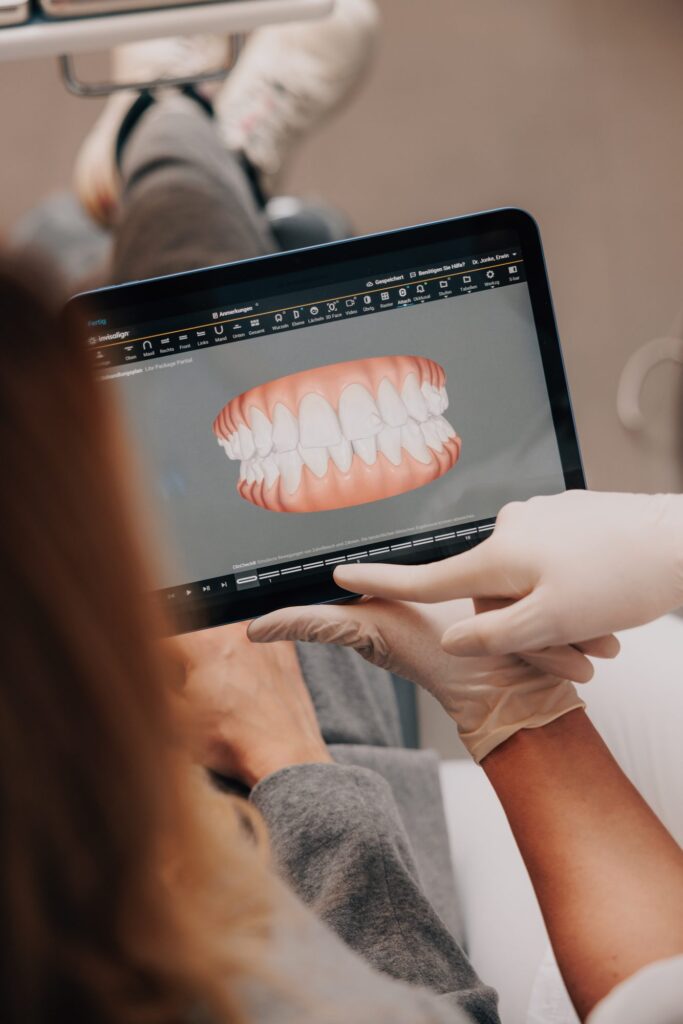
Digital 3D planning using an intraoral scanner, without impression material: Prof. Jonke plans the intended tooth movements and illustrates the desired treatment outcome for you.
Start of Treatment
Start of treatment: Your custom-made aligners will usually arrive within 2 to 3 weeks; you will then receive your first set of aligners along with all the instructions for use.
The method
What are aligners made of?
Aligners are made from a thin, transparent medical-grade plastic that is approved for use in the mouth. The design and material vary depending on the system you choose. We will discuss with you exactly which material will be used before starting treatment.
Additional Services
More for Your Smile

Ceramic Brackets / White Brackets
Tooth-colored, barely visible brackets – precise correction, aesthetically discreet.
Learn More →

Silver Brackets
Proven, robust metal brackets – reliable and precise correction.
Learn More →

Bleaching
Gentle teeth whitening with a custom-fitted kit—the perfect finish.
Learn More →
In everyday life
Aligners in Everyday Life: Eating, Drinking, Cleaning, Attachments
Food
Remove the aligners before eating.
Drinking
While wearing the aligner, you should drink only plain water. Hot beverages can warp the aligner, and drinks such as coffee, tea, or cola can stain it. But you don’t have to give them up: Just take the aligner out while drinking coffee or tea, and put it back in afterward.
Cleaning
Clean the aligner with lukewarm water and a soft brush. Use only a mild, non-abrasive toothpaste or the cleaning products recommended for your specific system. Hot water is not suitable because it can warp the aligner.
Attachments
Attachments are small, tooth-colored anchors that remain on the teeth throughout the entire treatment. They serve as anchor points through which the aligner applies targeted forces, allowing each tooth to move step by step into its planned position. They are visible up close, and their adhesive edge may become discolored by pigmented foods; thorough cleaning and a professional polish at our office will restore their appearance.
To ensure your treatment is effective as planned, you should generally wear the aligner for about 20 to 22 hours a day. This means you should only remove it to eat and brush your teeth. The aligner should remain in your mouth the rest of the day and overnight. We recommend using a carrying case when you’re on the go. It’s important to brush your teeth briefly before putting the aligner back in. In your daily routine, follow these four simple rules:
Costs
Duration and Cost of Aligner Treatment in Vienna
Aligner treatment typically lasts 1.5 to 2 years, with aligners replaced approximately every 1 to 2 weeks. This is a general guideline: Since every set of teeth is different, the exact duration cannot be determined after the initial examination. The actual duration of treatment will become clear as it progresses and also depends on how consistently you attend your follow-up appointments and change your aligners as scheduled. After your individual initial examination, you will receive a personalized cost estimate: a written breakdown of the expected treatment costs, allowing you to plan your budget clearly.
A note on coverage: Aligner treatment is generally a private service; if you choose a provider not on your insurance plan, your health insurance will reimburse a portion of the costs. We’ll discuss with you whether and to what extent a subsidy from your health insurance is possible in your case, depending on your specific plan.
Would you like to know how much your treatment would cost? Schedule your free initial consultation by calling 01 / 524 48 68 or by emailing praxis@jonke.at. Afterward, you’ll know exactly what your path to straight teeth looks like.
Appointment Booking
Book Appointment Directly
Simply choose a date and time. Free initial consultation.
Frequently Asked Questions
Questions About Aligners
What are aligners?
Aligners are nearly transparent, removable dental trays that gradually move the teeth into the desired position.
Are aligners and Invisalign® the same thing?
Not quite: “Aligner” is the general term for clear aligners, with Invisalign® being the best-known brand among them. When it comes to treatment results, orthodontic planning matters more than the brand name.
Aligners or Braces: Which Is Right for You?
Both aligners and braces can address a wide range of tooth movements. Aligners are virtually invisible and removable, but require consistent wear; braces are fixed in place and do not require daily wear discipline. Suitability is assessed during the initial consultation and determined on an individual basis.
How much do aligners cost in Austria?
The costs depend on the specific treatment required and will be outlined in a personalized cost estimate following the initial examination.
Does health insurance cover aligners?
A reimbursement from the health insurance provider—a partial contribution toward the costs—may be available depending on the provider and is discussed on a case-by-case basis.
Does supplemental dental insurance cover aligners?
Whether the insurance company pays, and how much, depends on the severity of the misalignment and the specific policy.
Can I eat and drink coffee while wearing aligners?
Yes, coffee, tea, and meals are no problem: just take the aligners out before eating or drinking, and put them back in afterward. When wearing your aligners, you should drink only plain water, as coffee, tea, or cola can stain them.
Does aligner treatment hurt?
After a rail replacement, you may feel a slight pressure for one to three days; severe pain does not usually occur.
How do I clean my aligners?
Clean the aligner with lukewarm water and a soft brush. Use only a mild, non-abrasive toothpaste or the cleaning products recommended for your specific system. Hot water is not suitable because it can warp the aligner.
How long do I need to wear the aligners each day?
The treatment plan typically calls for wearing the appliance for about 20 to 22 hours a day, removing it only for meals and oral hygiene.
Do aligners cause a lisp?
During the first few days, you may have a slight lisp because your tongue needs to get used to the thin retainer. This usually goes away quickly; reading aloud or speaking helps you adjust more quickly.
Do the attachments discolor?
The attachments themselves are tooth-colored. Their bonding edge may become slightly discolored over time due to heavily pigmented foods and beverages such as coffee, tea, or turmeric. This can be corrected with thorough cleaning and a professional polish at the dentist’s office.
What happens if an aligner is lost or breaks?
In this case, please contact the office as soon as possible. Depending on the stage of your treatment, you may continue to wear your previous aligner temporarily or switch to the next one earlier. We will work with you to determine the best solution for your individual needs. It is important not to go without an aligner for an extended period of time, so that your teeth do not shift back.
What should I do if an attachment disconnects?
If one of the small attachments comes loose from your tooth, simply contact the office. It’s easy: During a quick appointment, the attachment will be reattached so that the aligner fits securely again. Until then, continue wearing your current aligner as usual.
In which cases are aligners an option?
Modern aligners can be used to treat even complex misalignments. An individual examination during your initial consultation will determine whether they are suitable for your specific condition.
Do I have to wear a retainer after treatment?
Yes. After active treatment is complete, a retainer—a thin wire behind the teeth and/or a night guard—locks in the results so that the teeth do not shift back to their original positions. This is standard practice for any orthodontic treatment and is intended for the long term.
Can you lose weight with aligners?
Some patients do, in fact, snack less often because every snack means taking out their aligners and then brushing their teeth. However, there is no scientific evidence that aligners directly lead to weight loss: Aligners are a means of correcting teeth, not a weight-loss aid.
Worth Knowing
Things to Know About Aligners
In-depth information about aligners, wear time, and costs—explained in an easy-to-understand way.
Content
What is the difference between aligners and Invisalign®?
“Aligner” is the general term for removable, nearly transparent dental aligners; Invisalign® is the best-known brand among them. The Invisalign® system is based on more than twenty years of clinical experience and is suitable for a wide range of orthodontic cases. There are also other systems known as clear aligners.
However, orthodontic planning is crucial to your outcome.
Why Your Aligners Belong in the Hands of Experts
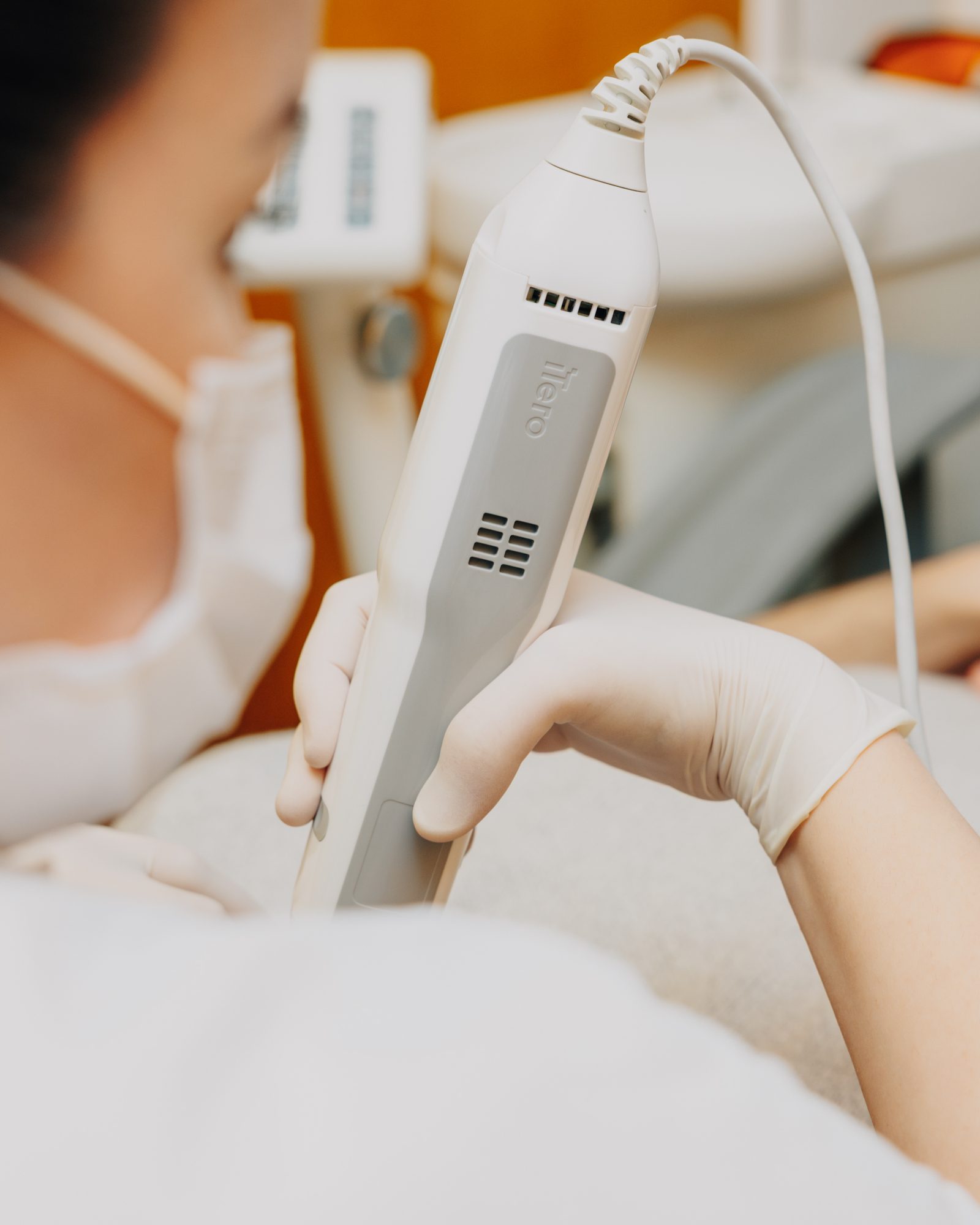
During orthodontic treatment, your teeth move within the jaw. This must be done under a dentist’s supervision to ensure that your teeth and gums remain healthy. An orthodontist is a dentist who has completed several years of additional specialized training in the diagnosis and correction of misaligned teeth and jaws. This is precisely Prof. Jonke’s area of expertise. During your visit to the orthodontist, you’ll receive an orthodontic diagnosis. For this, we use an intraoral scanner, photos, and digital X-rays. The orthodontist takes a clinical history and assesses the misalignment of your teeth. This is followed by digital 3D planning. During treatment, regular follow-up appointments to monitor your progress are essential for a successful outcome. The intraoral scanner is a small handheld device that gently scans your teeth—without the need for sticky impression material in your mouth.
Aligners or Braces: Which Is Right for You?
The traditional alternative to aligners is braces, which are bonded to the teeth and remain in place. Both modern aligners and braces can address a wide range of tooth movements. The fundamental difference, therefore, lies primarily in everyday life: aligners are removable and must be worn consistently, while braces are firmly attached to the teeth and work without requiring daily discipline to wear them. Which method is suitable for your individual case will be determined during the consultation; the following comparison provides an initial guide.
Arguments in favor of aligners:
- Virtually invisible, removable, and comfortable for everyday use
- No dietary restrictions: you can simply remove the aligners to eat
- Brush your teeth as usual
Arguments in favor of fixed braces:
- Fits securely on the teeth: this eliminates the need for proper wearing habits and reduces the effort required in everyday life
- Tried and true for decades
- When it comes to materials, you can choose between tooth-colored ceramic brackets and durable, usually less expensive silver metal brackets
Which option is right for you depends on your diagnosis, your treatment goals, and your daily life. We’ll discuss this together during your initial consultation.
How to Ensure the Best Results
To a large extent, it’s up to you how well and how quickly your teeth reach their intended position. Here are some tips to help you get the most out of your treatment:
- Wear them consistently: about 20 to 22 hours a day; remove them only to eat and brush your teeth.
- Keep your aligners clean: Clean them with lukewarm water and a soft brush to keep them clear and your teeth healthy.
- Change as planned: swap each rail for the next one at the scheduled time so that the teeth continue to move in sync.
- How to use Chewies: After inserting the splint, bite down on it to ensure it fits snugly.
- Keep your follow-up appointments: During these regular appointments, we’ll review your progress and make adjustments as needed.
What to Expect
There are three things you should be prepared for:
- You may experience a slight lisp for the first few days, until your tongue gets used to the thin retainer. This usually goes away quickly; reading aloud helps speed up the adjustment process.
- A feeling of pressure lasting one to three days after an aligner change: This may be caused by the force with which the new aligner guides the planned tooth movement and usually subsides after a few days.
- Chewies (chew pads): small silicone rolls that you bite down on after inserting the aligner. The pressure from chewing causes the aligner to fit snugly against your teeth. This improves the fit of the aligner and supports the planned course of treatment.
Read here to find out how we use a dental cleaning to whiten and polish the adhesive edges of the attachments: Professional Oral Hygiene in Vienna. Learn more about the two types of braces: Ceramic Braces in Vienna and Silver Metal Braces in Vienna.
Your Next Step Toward Straight Teeth
You don’t have to make a decision just yet. Just get to know us. During your free initial consultation, we’ll examine your teeth, answer your questions, and show you which treatment option is right for you.
Please call us at 01 / 524 48 68 or email us at praxis@jonke.at.
Our processes are certified to ISO 9001:2015, a recognized standard for consistent quality and verified processes. This means traceable, reliable treatment quality. In addition, we operate in a climate-neutral manner.
Location & Directions: Office in 1070 Vienna (U3 Neubaugasse)
You’ll find us right next to the Neubaugasse U3 station (Stiftgasse exit). We’re open Monday through Friday from 8:00 a.m. to 6:00 p.m.
Univ.-Prof. DDr. Erwin Jonke
Prof. Erwin Jonke, DDr. med.
Specialist in Dentistry, Oral Medicine, and Maxillofacial Surgery
Specialist in Orthodontics
Mariahilfer Straße 32, 3rd Floor,
, 1070 Vienna
Phone: 01 / 524 48 68
Email: praxis@jonke.at