


Clinic · Teenagers · 1070 Vienna
White Ceramic Braces for Teens in Vienna
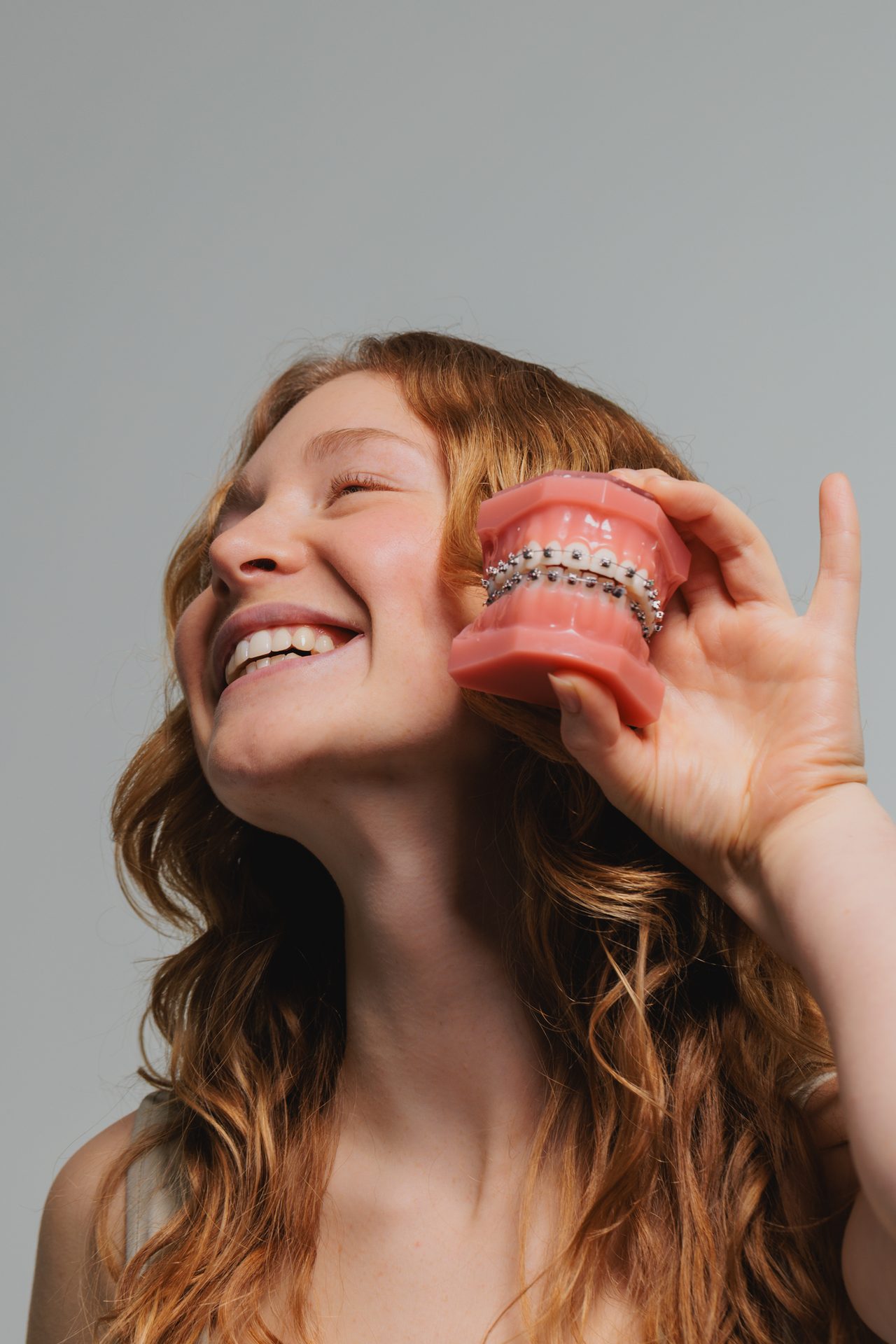
White ceramic braces are a type of fixed orthodontic appliance that works just as effectively as silver metal braces but is much less noticeable in everyday life.
★ Tooth-colored
★ From ~12 years
★ Same effect as metal
★ Also for nickel allergy
★ 5.0 DocFinder
★ 4.3 Google | ★ 5.0 DocFinder | ★ 4.98 Doctify
1,000+ Families · 457 Reviews
Your Benefits
What are the advantages of ceramic braces?
Tooth-colored
Ceramic braces are tooth-colored and are barely noticeable in everyday life.
Full Effect
Same effect as classic fixed braces.
From about age ten to twelve
Usually starting around ages ten to twelve, when the permanent teeth have mostly come in.
If You Have a Nickel Allergy
If you have a known nickel allergy, they may be a suitable option; we check all components individually.
Process
Here's How Treatment with Ceramic Braces Works
Initial Consultation & Diagnosis
We clarify whether fixed braces are appropriate and discuss the available options.
Planning
First, you will receive an orthodontic diagnosis. For this, we use an intraoral scanner, photos, and digital X-rays. This is followed by digital 3D planning.
Placement & Check-ups
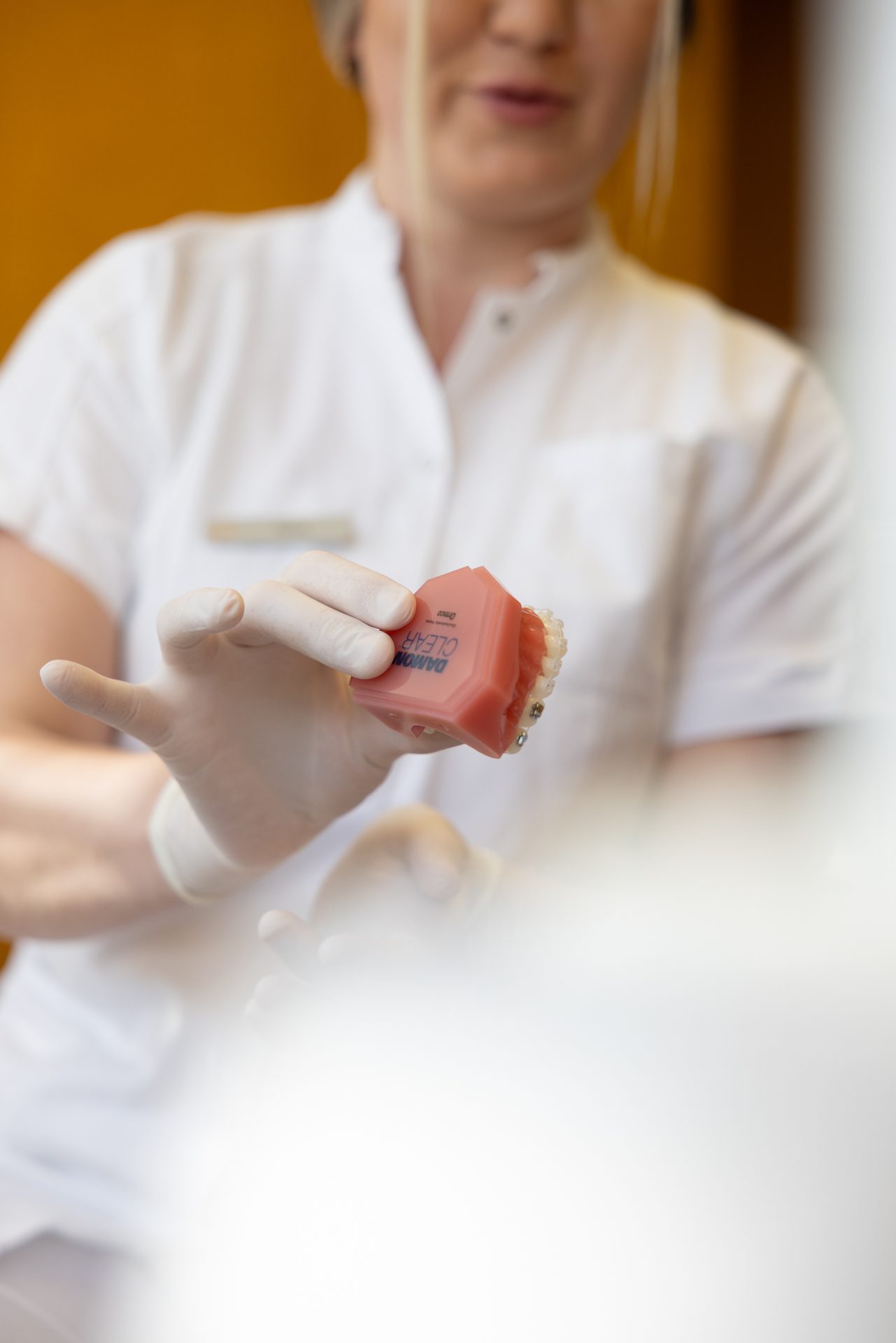
The brackets are usually bonded to the upper jaw first and to the lower jaw shortly thereafter. This is followed by regular checkups.
For parents
Ceramic or silver braces: What's the difference?
Both systems work on the same principle—the teeth are moved using a wire arch—and are suitable for many types of misalignment. The main differences lie in visibility and cost: ceramic brackets are tooth-colored and are a private-pay service, while silver brackets are visible and, if medically indicated, are covered under the free orthodontic treatment plan.
How do teenagers properly care for ceramic braces?
Plaque builds up quickly around braces. That’s why teenagers should brush their teeth after every meal and use interdental brushes to clean between their teeth; regular professional dental cleanings also help. It’s best to avoid very hard and sticky foods to prevent anything from breaking off.
Appointment Booking
Book Appointment Directly
Simply choose a date and time. Free initial consultation for your child.
Frequently Asked Questions
Questions from parents
At what age do ceramic braces become a good option?
When the permanent teeth have mostly come in, usually starting around the ages of ten to twelve.
Do ceramic braces discolor?
No. The brackets themselves do not discolor. However, be sure to maintain thorough oral hygiene, as plaque can build up around the brackets.
Are the wire and the brackets also white on ceramic braces?
The brackets themselves are tooth-colored and barely noticeable. The archwire that moves the teeth is usually covered with a white coating, but it remains visible.
Are ceramic braces free?
No, they are a private service. Fixed braces with silver brackets (for IOTN 4 or 5) are free of charge.
How long does treatment with ceramic brackets take?
As a general guideline, treatment usually lasts one to two years. The exact duration depends on the misalignment and the course of treatment.
Does getting braces hurt?
Having the brackets bonded on doesn’t hurt. A slight feeling of tightness is normal in the first few days after the bonding; it subsides quickly.
How do I care for ceramic braces on a daily basis?
The most important thing is to brush your teeth after every meal. Interdental brushes complement your oral care routine—they reach the spaces around brackets and wires.
Can damage to the teeth occur while wearing braces?
If the areas around the brackets aren’t cleaned thoroughly, plaque can build up there and, over time, white calcium deposits may form. Good oral hygiene prevents this.
Can you play sports while wearing braces?
Yes. For contact sports such as soccer, handball, or martial arts, we recommend wearing a mouthguard.
Are ceramic braces as durable as metal braces?
They’re a little more brittle; eating very hard foods can damage the brackets. But they hold up well in everyday use.
What should you do if a bracket comes loose or a wire is poking you?
In that case, just contact us, and we’ll take care of it right away. Until your appointment, you can cover any pressure marks with a little protective wax.
Worth Knowing
Useful Information for Parents
Content
What are ceramic braces?
Ceramic brackets are small, tooth-colored brackets made of translucent—that is, light-transmitting—dental ceramic that are bonded to the outer surface of the teeth. A wire arch connects them and gradually moves the teeth into their intended positions.
At what age do ceramic braces become a good option for teenagers?
Usually starting around ages 10 to 12, when the permanent teeth have mostly come in. For younger children in the mixed dentition stage, other treatment options may be considered, such as removable braces.
Closing & Retention
Once the desired result has been achieved, the braces are gently removed. Afterward, a retainer holds the teeth in their new position to prevent them from shifting back.
How much do ceramic braces cost, and does health insurance cover them?
Ceramic braces are an optional service for which patients must pay out of pocket. Fixed braces with silver brackets are provided free of charge if the diagnosis warrants it. It is not possible to switch to a different type of treatment for an additional fee.
Schedule an Initial Consultation Now
Schedule an appointment for an initial consultation. We’d be happy to discuss with you and your child whether ceramic braces are the right choice.
Location & Directions: 1070 Vienna (U3 Neubaugasse)
You’ll find us right next to the Neubaugasse U3 station (Stiftgasse exit). We’re open Monday through Friday from 8:00 a.m. to 6:00 p.m.
Univ.-Prof. DDr. Erwin Jonke
Specialist in Dentistry, Oral and Maxillofacial Medicine
Specialist in Orthodontics
Mariahilfer Straße 32, 3rd Floor,
, 1070 Vienna
Phone: 01 / 524 48 68
Email: praxis@jonke.at
Directions: U3 Neubaugasse (Stiftgasse exit); Gerngross and Stiftgasse parking garages