


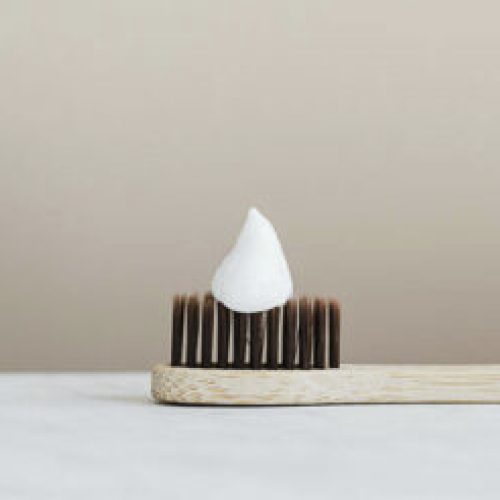
How often you should replace your toothbrush:
Toothbrushes are an important part of our daily lives—or can you imagine going to work or school without brushing your teeth?
Like almost all everyday items, a toothbrush wears out over time. However, when you need to replace your toothbrush depends on several factors. First, here are a few tips for good oral hygiene:
How to Brush Your Teeth Properly
Our oral hygiene specialists have a motto: “From red to white—at least twice a day!” Whether you use an electric toothbrush (which we recommend) or a simple manual toothbrush, always start with a light touch at the gum line and brush each tooth individually from red to white. If you brush horizontally or toward the gums, this can lead to gum recession and enamel damage over time—an unpleasant and often painful condition.
Use this technique to brush all your teeth, preferably following the same pattern every time so that the routine ensures you don’t miss any teeth. The chewing surfaces can be brushed horizontally from front to back or in circular motions. Please don’t forget the inner surfaces of your teeth.
The first step toward good oral hygiene is thus completed in just 2 minutes. You should also use dental floss or interdental brushes at least once a day. Read here to find out when which type of dental floss is best.
Brushing your teeth properly and regularly twice a day prevents plaque buildup and related problems such as cavities, gum inflammation, tooth discoloration, and bad breath. By the way, brushing with fluoride toothpaste strengthens tooth enamel (the protective shield of our teeth) and thus helps prevent tooth decay.
The Lifespan of a Toothbrush
Whether you brush with an electric or a manual toothbrush, the brush head wears out over time and the bristles fray. This has two main consequences: Your teeth are no longer being cleaned properly, and frayed bristles can damage your gums.
First and foremost, a quick look at the bristles will tell you whether it’s time to replace your toothbrush. If the bristles are no longer standing upright but are frayed and splayed to the sides, you should replace the toothbrush or the brush head. Some toothbrushes even have color indicators on the bristles that, for example, fade over time, signaling that the brush should be replaced.
At the very latest, however, you should replace your toothbrush every two months. Depending on the quality of the toothbrush, though, you may need to replace it sooner.
By the way: If your toothbrush starts to fray after just a few days, this indicates that you’re using the wrong brushing technique. In this case, we recommend professional oral hygiene care. For example, our highly trained dental hygienists can show you exactly how to care for your teeth properly and keep them healthy and white right here in our office.
Basically, it’s a good idea to replace your toothbrush sooner rather than later—especially after illnesses or inflammation in your mouth. Your teeth are definitely worth it.
Do you have any further questions?
Feel free to schedule an appointment for professional dental hygiene—you’ll leave our office with a radiant smile and a thorough understanding of oral hygiene.